
 AR
AR
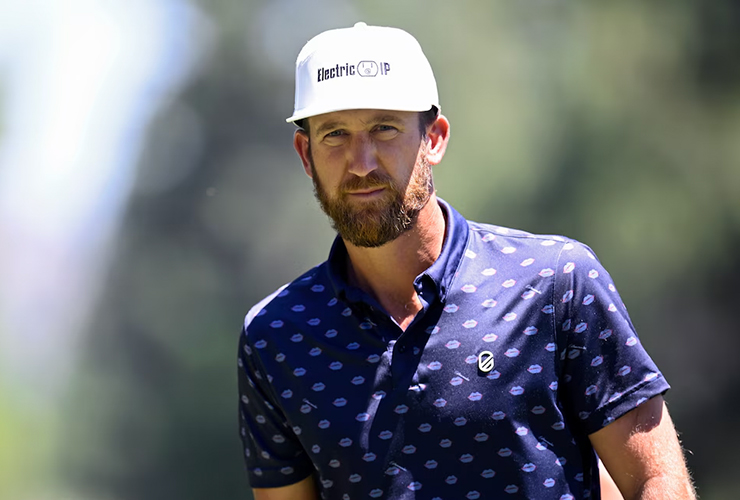
With a new CEO in Brian Rolapp who is looking into every corner for ways to dramatically alter the competitive landscape of the PGA Tour, change is inevitably coming over the next few years. If he had his druthers, Kevin Chappell would surely want to be a part of it, no matter what happens. But the 39-year-old out of UCLA, with one victory in 310 tour starts, has grown weary of his injuries and surgeries and rehab, and Chappell has decided to retire at a young age for pro golfers.
As a player who seemingly went quickly from having loads of promise to journeyman status because of back troubles—Chappell played in the 2017 Presidents Cup in the same year he won the Valero Texas Open—he does know what it’s like to battle for a card and keep status on tour, and he sees the changes ahead making it harder than ever for those who play among the rank and file.
In a podcast interview for this week’s episode of Subpar with Colt Knost and Drew Stoltz, Chappel said, “I don’t know what the future holds for the tour. It just seems like it’s turning much into a tennis model where you’re gonna have eight to 12 events a year that really matter, and the rest of it, there will be a tour that exists, but if you’re not a regular fan, you’re not gonna really know what’s going on.
“There’s an opportunity for guys to make a living in those events, but as far as being relevant, it’s gonna be harder and harder to have that long career that you’ve seen in the past. You’re gonna have your generational talents that are gonna do it, but I think careers get shorter, guys make more money, they move on and go do something else. Somehow, they need to get the turnover rate that matches the exit rate, and it could be sustainable. I don’t love it, but if that’s what the business model says that they need to be doing to grow the game of golf, then that’s what they gotta do.”
Unfortunately for Chappell, he wasn’t really healthy enough to take advantage of the development of signature events beginning in 2023, and he feels for those who are left out of no-cut tournaments with purses of $20 million. Additionally, fewer players will earn their tour cards this year, with the cutoff down to 100 from 125. As noted by Knost, only one player who wasn’t injured, Frenchman Mattheu Pavon, will finish outside the top 100 this season after being in the top 50 in 2024.
“Yeah, I think that’s an integral part of the game, making a cut, there’s a good feeling there, there’s a sense of accomplishment, and that needs to happen in the game,” Chappell said. “Maybe they don’t want to do full fields, but let’s everyone that kept their card the year before on the PGA Tour is exempt. Let’s do a 110-man field and let’s have a cut. It opens up opportunity, it creates less of a divide amongst on the money list and the points list, and it allows people to earn their way into the event a little bit easier.”
As for choosing to leave the competitive game, Chappell said, “This is more of a life decision than a career decision.”
Beyond his victory in Texas eight years ago, Chappell was a bit of a hard-luck player, finishing runner-up six times. The most notable of those is a playoff loss to eventual champion Rory McIlroy and Ryan Moore in the 2016 Tour Championship. Chappell blew a two-shot lead with two holes to play. Overall, Chappell earned $17.6 million on tour.
Follow Golf Digest Middle East on social media
Main Image: Eakin Howard


