
 AR
AR
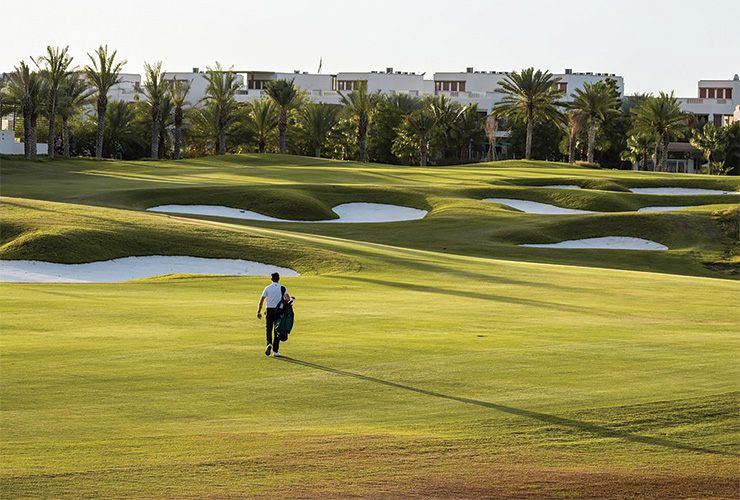
For over 30 years, golf in the Middle East has been defined by luxury tourism, iconic tournaments, and world-class facilities.
But with the recent regional instability, inbound tourism has undoubtedly been affected, with golf operators across the Gulf experiencing a slowdown in international travel.
Yet rather than stalling momentum, many clubs have used the period to strengthen their local communities and diversify the golfing experience.
Golf Digest Middle East spoke to three leading figures within the regional golf industry to explore how the game has responded to recent challenges — and why many believe the Middle East is entering its most important growth period yet.
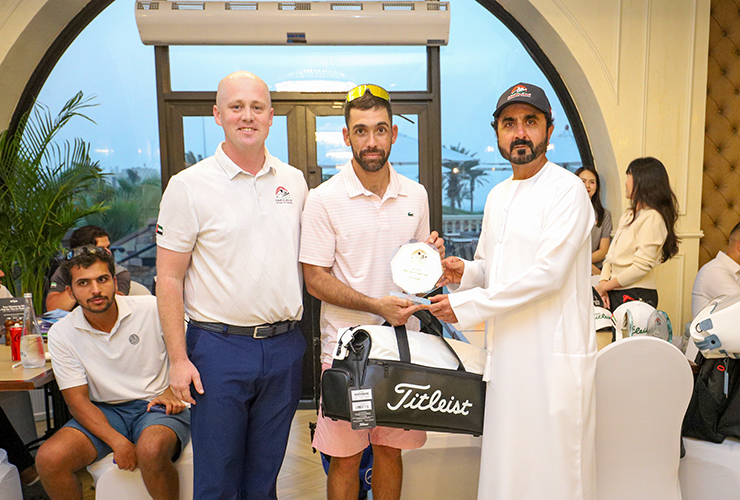
Kieren Pratt – EGF Director of Operations, Saif Thabit – Abu Dhabi Sports Council and Akram Skaik – EGF Director General
“At first, we saw next to zero international guests coming to play during March and April, when we would normally expect overseas rounds to be through the roof,” says Kieren Pratt, Director of Operations at the Emirates Golf Federation.
“What we noticed though was a shift toward more community-based events,” he explains. “There was a greater emphasis on inviting local residents and UAE nationals into the clubs, which created a very welcoming environment.”
That shift extended beyond just the desert fairways. Food and beverage outlets became increasingly important social spaces, helping clubs maintain strong engagement despite reduced tourism.

DJ Flanders – Executive Vice President of Troon International
DJ Flanders, Executive Vice President of Troon International, believes the resilience of the resident market surprised many outside the region, looking in.
“There is no question the regional situation impacted inbound tourism and international golf travel,” says Flanders. “What has been really encouraging is how resilient the local golf market has remained, especially in the UAE.”
According to Flanders, golf clubs across the region have evolved into broader lifestyle destinations.
“Golf clubs today are doing a lot more than simply selling tee times,” he says. “They’ve become lifestyle and community hubs where dining, entertainment, family events, wellness, and social activities all play a much bigger role.”
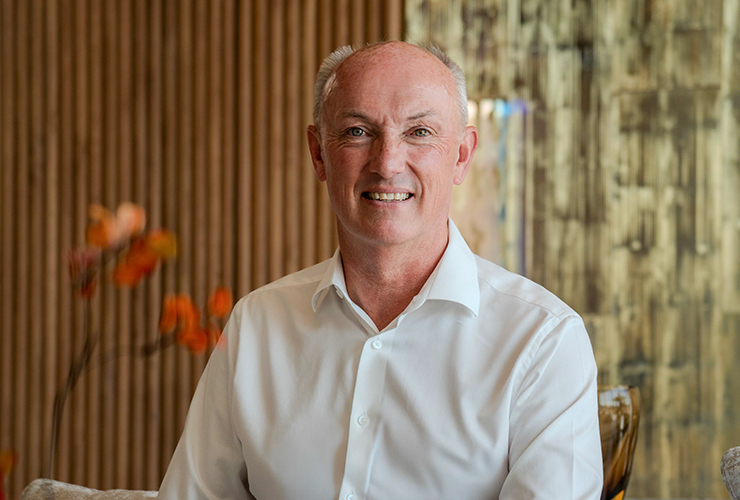
Chris May – CEO Viya
That transformation has become increasingly visible across the UAE’s leading golf destinations. Chris May, CEO Viya, says clubs that invested heavily in membership experience before the recent challenges were better positioned to navigate the downturn in overseas visitors.
“We saw a significant number of overseas golf rounds cancelled initially,” says May. “But the additional tee-time availability became very popular with members during some of the peak golfing months.”
May says clubs across the UAE experienced a renewed sense of camaraderie during the period.
“I’ve seen a great level of community feel in all our clubs,” he says. “Members really valued the fact that clubs remained operational and continued providing a feeling of belonging during uncertain times.”
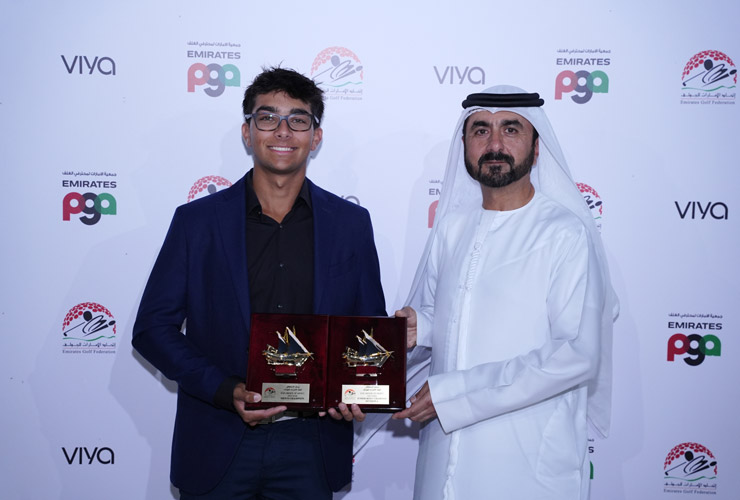
Rayan Ahmed – Emirates Golf Federation Order of Merit 2025/2026 season
That sense of belonging is shaping a new era of Middle East golf. Pratt even points to the rapid growth of women’s and junior golf as one of the region’s biggest positives.
“There has been a big focus on community, particularly around women’s and junior development, and creating opportunities to bring new golfers into the game,” he says.
Flanders agrees, noting that golf in the Gulf is no longer viewed solely through the lens of tourism.
“Years ago, golf here was viewed much more through major events and tourism,” he says. “Today there is a much stronger local market made up of resident golfers, families, juniors, women’s golf, and year-round participation.”
“We’ve seen significant growth in the number of UAE nationals and women taking up golf,” says May. “Facilities such as Topgolf and indoor golf venues are helping grow participation and introducing more people to the game.”
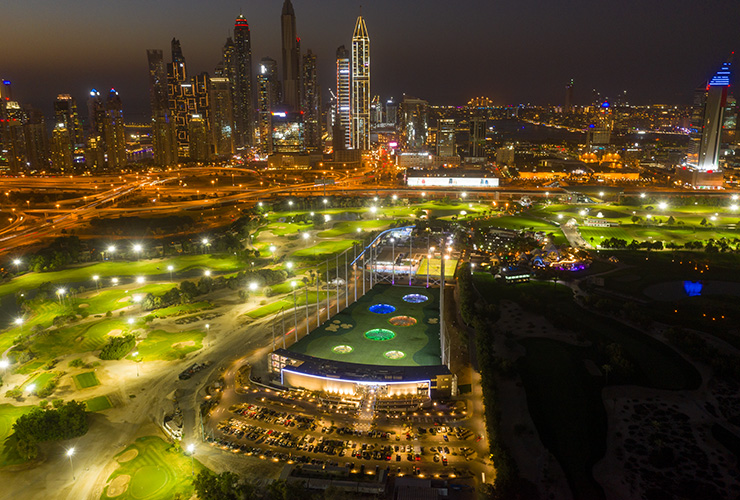
Topgolf Dubai
Dubai’s Topgolf venue has become one of the busiest in the world, with Topgolf Yas Island Abu Dhabi scheduled to open later this year. The wider GCC region is also entering a new expansion phase. Long recognised as a leading host of professional tournaments, especially across the DP World Tour, the Middle East is now seeing increased investment in golf infrastructure beyond the UAE.
“Outside of America, the UAE and the GCC host one of the highest numbers of professional tournaments in the world,” says Pratt. “The trend already emerging is one of expansion.”
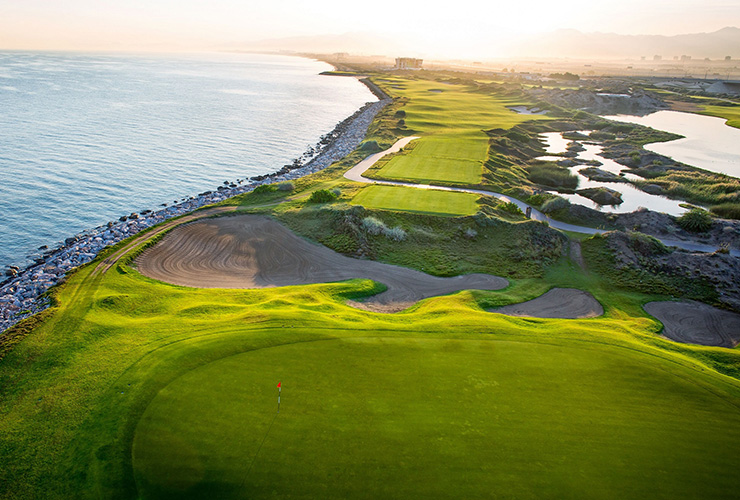
Al Mouj Golf in Muscat, Oman
Countries including Saudi Arabia, Oman, Qatar, and Bahrain are continuing to invest in new facilities, helping position the Gulf as a multi-destination golf market.
“The facilities performing best are the ones creating reasons for people to visit regularly, not just for golf,” says Flanders. “People are looking for flexibility, social connection, good dining, entertainment, and experiences they can enjoy with family and friends.”
Technology is also becoming increasingly important in driving engagement.
May highlights the success of Dubai Golf’s VIYA platform, which now connects tens of thousands of users across golf, hospitality, wellness, and leisure experiences. “The growing importance of tech in golf is significant,” says May. “We now have 25,000 active golf users on the platform in the UAE.”
Meanwhile, Pratt points to the continued growth of amateur and professional events as evidence of the region’s confidence. The Emirates Golf Federation is preparing to host the third edition of the UAE Cup in Al Ain this December after attracting players from 38 countries last year.
“We believe this will be the best edition yet,” says Pratt. “I look forward to it becoming an event that is firmly on the world stage.”
Follow Golf Digest Middle East on social media
Main Image: LA Vie Oman


