
 AR
AR
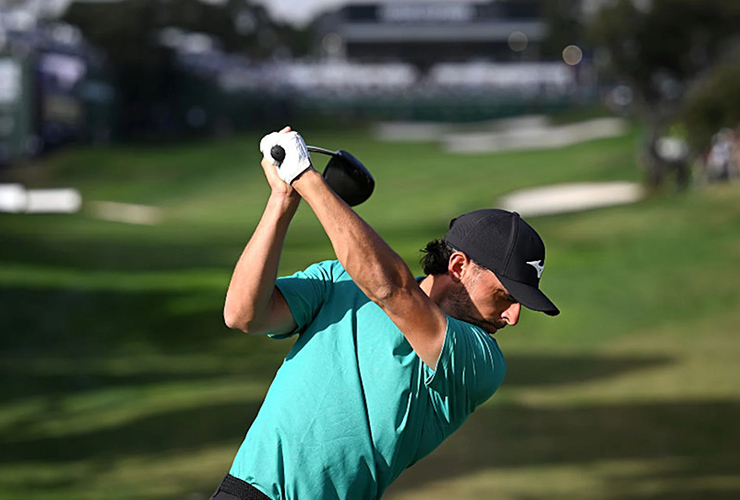
One of the best swings in golf—and certainly one of the most powerful—has been coasting under the radar here in the United States.
It’s time that changed, because Marco Penge has won three times now on the DP World Tour this season, and his beautiful golf swing is capable of ball speeds north of 190 mph.
And better yet, there’s something small but interesting lurking in his golf swing.
It starts at setup. Notice how Marco’s thumb is slightly off the grip when he starts his swing.

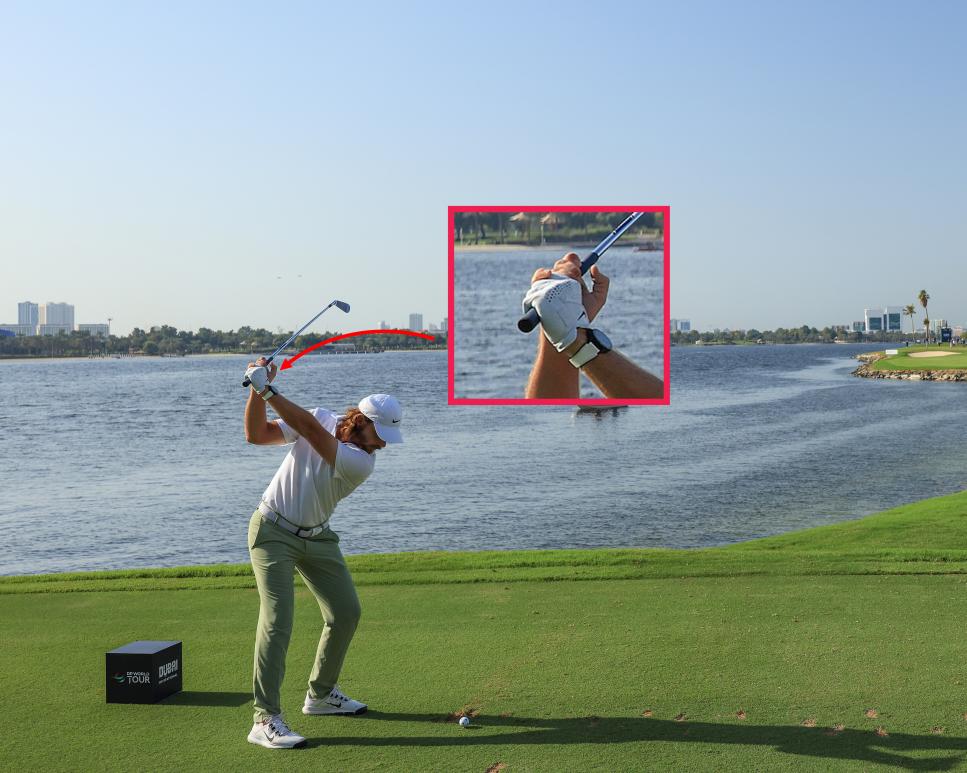
This is uncommon but it’s not hugely unusual. Tommy Fleetwood does it.
David Cannon
Long-hitter Jason Kokrak does, too.
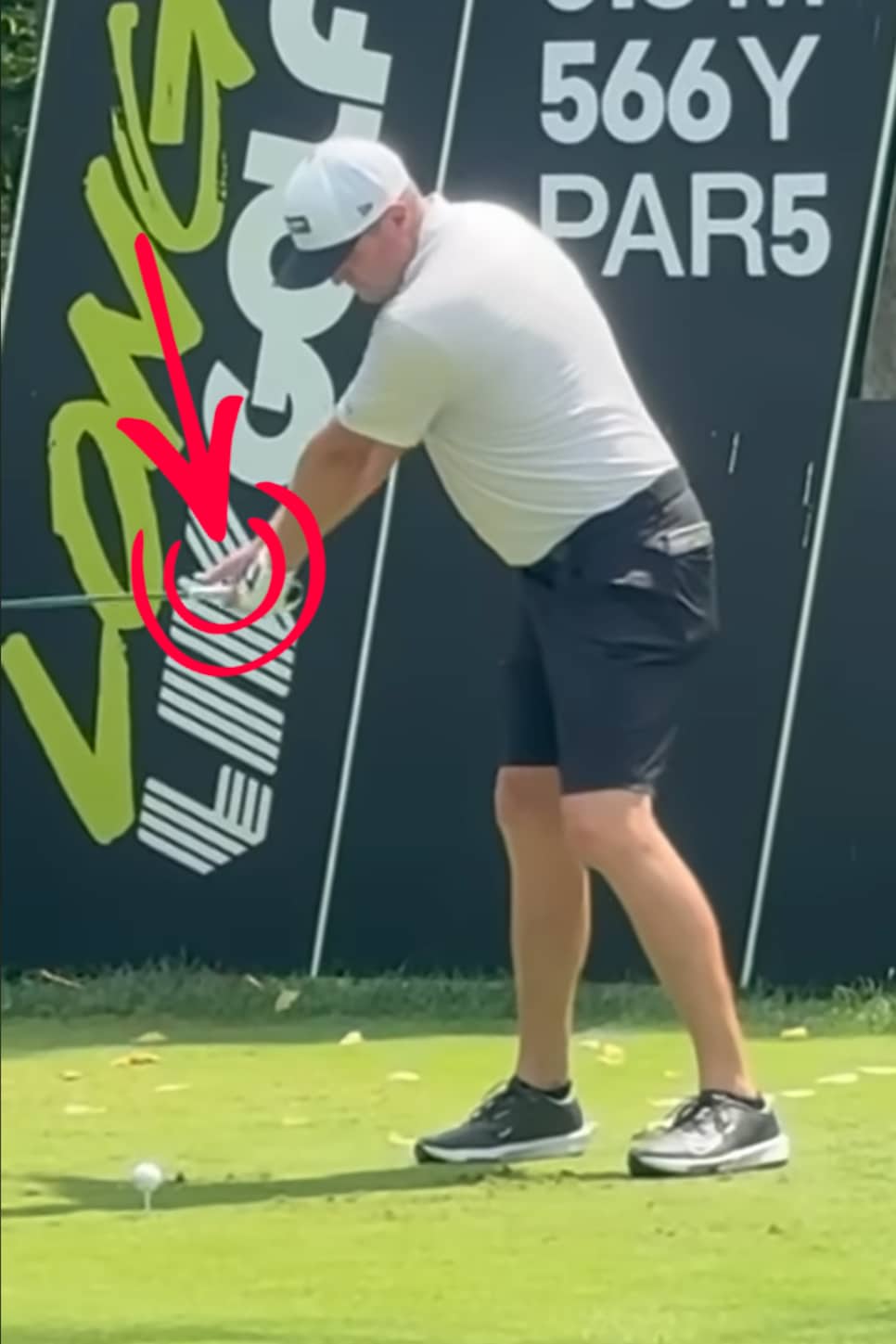
And Brandt Snedeker was one of the original thumbless wonders.

This quirk is called a “flying thumb,” and while for many it’s a kind of trigger move—one they may not even realize they’re doing—there’s actually some evidence this may not entirely be a coincidence.
A recent study from Golf Digest Best in State Teacher Liam Mucklow examined grip pressure during golfers’ swings (meaning, how hard they squeeze the grip).
- Mucklow found that pros start their swings actually loosening their trail hand grip pressure (right hand for right-handed golfers) in transition from backswing to downswing.
- Amateur golfers, by contrast, grip really soft at the start of their swing, then really firmly with their trail hand as they approach their downswing.
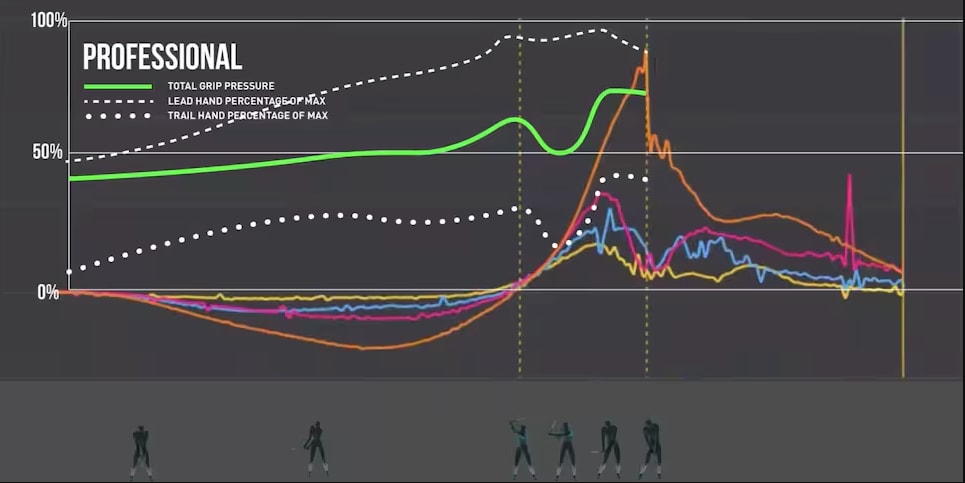
We’re not exactly sure why, but Mucklow speculates that keeping a little looseness in their right hand helps pros shallow the club, and prevents their trail hand from taking over.
Using a flying thumb is a way to keep some looseness in golfer’s trail hand as they move into the downswing—it’s why Viktor Hovland often practices with an open palm grip on his right hand.
For Penge, who says he’s been working hard on his backswing in recent years, it can also prevent his clubface from getting too closed.
A small part of a beautiful golf swing. Potentially something for you to try, too.
Follow Golf Digest Middle East on social media
Main Image: Stuart Franklin


